
When you decide to buy or sell a home in Ann Arbor, you might look up the average home price in the city. You might check the city-wide inventory levels or look at general days on the market. This broad approach seems logical, but it actually sets you up for failure. Ann Arbor is not a single real estate market.
Instead, our city is a complex web of dozens of distinct micro-markets. Each of these small pockets behaves completely differently from the one right next to it. If you treat the entire city as one giant housing market, you will completely miss the nuanced details that determine true property value.
In this guide, we will explore exactly how these micro-markets operate. We will look at how moving just two blocks can change everything about a home’s value. Finally, we will show you why working with a real estate agent who truly understands these hyper-local dynamics is the best way to protect your investment.
The Myth of a Single Ann Arbor Market
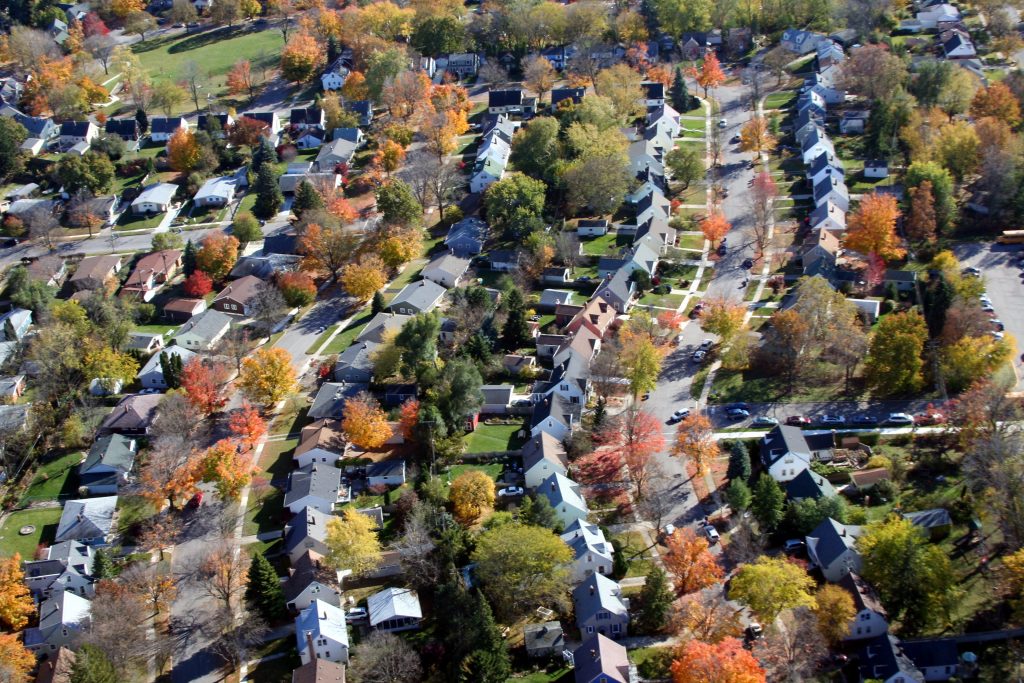
Many people assume that a hot market means every house in the city will sell quickly and for top dollar. The reality looks much different on the ground. You can find massive variations in market behavior depending on exactly where a house sits.
One neighborhood might experience a fierce bidding war with dozens of offers on a single property. Meanwhile, another neighborhood just a mile away might see homes sitting on the market for weeks. These differences happen because buyers value highly specific features that only certain pockets of the city provide.
The housing market in Burns Park, for example, feels very different from that on the Old West Side. These areas attract different buyers, feature different architectural styles, and command very different per-square-foot prices. Understanding this reality is the first step to success in your real estate journey.
Why Two Blocks Change Everything
You might think that two streets in the same general area would share the same property values. In Ann Arbor, this is rarely the case. Moving just two blocks can completely shift the real estate landscape.
One street might fall into a highly desired school district, while the next street over falls into another. One block might offer easy, walkable access to downtown shops and restaurants. The street a few blocks away might require a car for basic errands, changing the entire appeal for a specific type of buyer.
These tiny geographical shifts create major financial impacts. Buyers will gladly pay a premium to be on the right side of the street. If you do not know exactly where these invisible boundaries lie, you cannot accurately understand a property’s true worth.
What Drives Ann Arbor’s Micro-Markets?
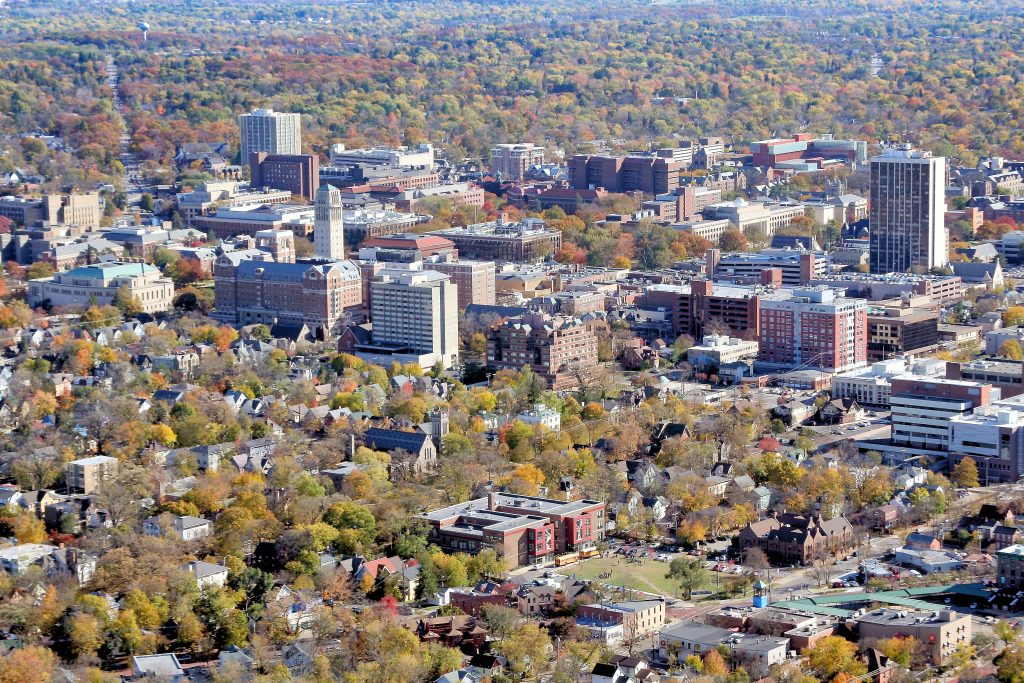
To navigate this complex landscape, you need to understand what actually drives these micro-market variations. Buyers in our area look for very specific lifestyle elements. These preferences directly influence inventory levels, demand, and ultimately, sale prices.
School Districts and Inventory Levels
School districts play a big role in shaping our local real estate pockets. Families often target a specific school for their children. They will focus their entire home search within the boundaries of that specific district.
This hyper-focused demand creates fascinating inventory situations. One school district might have just a single home for sale at any given time. Buyers looking in that specific area have almost no options, driving up competition and prices.
Meanwhile, an adjacent school district might have 27 homes sitting on the market. Buyers there enjoy plenty of choices, which naturally softens the pricing power of the sellers. You cannot price a home accurately without knowing exactly how much competition exists within that specific boundary.
Amenities, Walkability, and Architecture
Lifestyle preferences shape micro-markets just as much as school districts do. Many buyers move to Ann Arbor specifically for the lifestyle. They want the perfect blend of community feel, convenience, and charm.
Walkability stands out as a major driving factor. Homes situated within a short walking distance to parks, coffee shops, or the university often command significantly higher prices. Privacy represents another major factor. Some buyers want large, secluded lots tucked away from the busy streets, while others prefer the tight-knit feel of a dense, historic neighborhood.
Architecture also plays a vital role. Buyers hunting for a historic, early-20th-century home will focus exclusively on neighborhoods that feature that specific style. If a neighborhood lacks the desired architectural charm, a buyer simply will not look there, regardless of the overall city market trends.
The Danger of City-Wide Pricing Data
Relying on broad city data to make real estate decisions creates massive blind spots. Averages lie when dealing with hyper-local real estate. If you price a property based on what the whole market is doing, you miss out on what a buyer will actually pay for your specific neighborhood.
Pricing Your Property Accurately
Imagine you want to sell your home. You look at the average price per square foot for the entire city of Ann Arbor and apply it to your house. You might end up severely underpricing your property if you live in a highly sought-after micro-market with zero current inventory.
Conversely, you might overprice your home if your specific neighborhood currently suffers from an oversupply of similar houses. Overpricing leads to your home sitting on the market, becoming stale, and eventually selling for less than it should have. Accurate pricing requires zooming in on your exact street and your exact property type.
Buying in a Hyper-Local Market
Buyers face similar dangers when looking at broad data. If you think the entire city is experiencing a buyer’s market, you might submit a low offer on a home in a highly competitive micro-market. You will lose that house immediately to someone who understands the local demand.
Understanding micro-markets helps buyers identify hidden opportunities. You might find a beautiful home that offers 90% of what you want just two blocks outside of a premium-priced zone. A deep understanding of these boundaries helps you stretch your budget and find incredible value.
Why You Need a Micro-Market Real Estate Expert
Navigating Ann Arbor’s many unique micro-markets requires specialized local knowledge. National real estate websites and automated estimates can never capture the subtle differences from block to block. That’s why we’ve created nearly 250 dedicated neighborhood and condo web pages, each monitoring inventory, sale prices, specific amenities, and more that add real value in every part of the city.
Understanding these detailed factors gives us a crucial advantage in positioning your property to attract the best buyers and negotiate effectively on your behalf. Whether you’re aiming to sell for top dollar or find your ideal home in a competitive neighborhood, you need a Realtor who understands these micro-markets inside and out.
Don’t rely on guesswork or citywide averages for your most important transaction. Let our hyper-local expertise guide you, helping you price, market, and buy or sell with complete confidence. Explore our 250+ neighborhood guides to start your research, or contact us today for personalized advice tailored to your unique real estate goals at 734-761-3060 or info@bouma.com.