
Quick answer: Renovation cost and home renovation value are not the same thing. While you might invest thousands in remodeling, buyers ultimately determine a renovation’s worth based on what appeals to them. Many upgrades improve your home’s appeal or help it sell faster, but they don’t necessarily increase resale value. To ensure your renovation dollars are well spent, consult a Realtor who understands your local market and knows which updates truly enhance your home renovation value, making it more attractive to buyers.
You’ve decided to sell your home, and naturally, you want top dollar for it. So you start crunching numbers: a new kitchen here, a bathroom remodel there, maybe a finished basement for good measure. It feels like common sense that every dollar you invest will come back to you at closing, plus some. But here’s the truth many sellers learn the hard way: cost and value are two very different things in real estate.
Just because you spend $100,000 on renovations doesn’t mean your home’s value increases by that same amount. Sometimes it does, and sometimes you’ll only recoup a fraction of what you spent. Understanding the difference between what you invest and what buyers are willing to pay is essential before you pick up a hammer or sign a contract with a contractor.
This blog breaks down why remodeling costs don’t always equal equivalent value, how buyers actually assess renovations, and why working with a knowledgeable Realtor before you renovate can save you from costly missteps. If you’re thinking about updating your home before listing it, this is exactly the information you need.

Why doesn’t a $100K renovation always mean $100K in home renovation value?
Renovation costs reflect what you pay for labor, materials, and design. Home value reflects what a buyer is willing to pay for your home as a whole, based on comparable sales, market conditions, and buyer preferences at that moment in time. These two figures rarely align perfectly.
According to Remodeling Magazine’s annual Cost vs. Value report, most home renovations return less than 100% of their cost at resale. Minor kitchen remodels tend to recoup a higher percentage than major upscale renovations, and outdoor projects like garage door replacements often perform better on a return basis than large indoor overhauls. The exact percentages shift year to year and by region, but the pattern holds steady: spending more doesn’t guarantee a dollar-for-dollar increase in your home’s sale price.
Why the gap? Because buyers aren’t reimbursing you for your renovation invoice. They’re comparing your home to others on the market and deciding what it’s worth to them, in their context, with their budget and priorities.
What determines whether buyers see value in your renovation?
This is where many sellers get tripped up. You might love the marble countertops you installed, or the custom built-ins you designed for your home office. But buyers evaluate your home through their own lens, not yours.
A buyer’s perception of value depends on a few key factors:
- Comparable homes in the area. If similar homes nearby don’t have upgraded kitchens, your renovation may not translate into a higher offer, even if it’s beautifully done.
- Buyer priorities in your market. Some buyers prioritize move-in readiness, while others are looking for a fixer-upper they can customize themselves.
- Timing and current trends. A renovation that felt cutting-edge five years ago might not carry the same appeal today.
The bottom line: buyers decide what your renovations are worth, not you and not your contractor. This is why it’s important to think like a buyer, not just a homeowner, when planning updates before a sale.
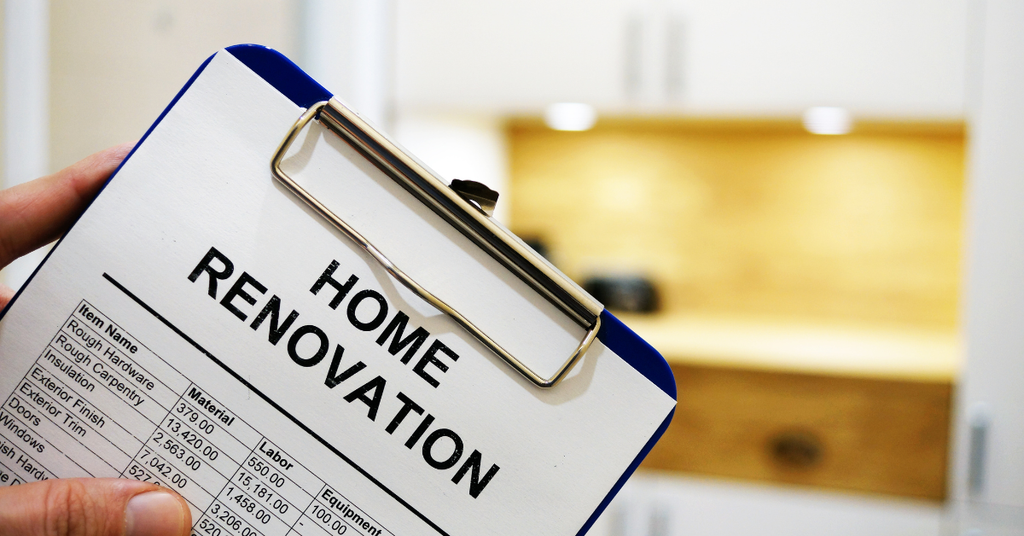
Value-add renovations vs. market competitiveness: what’s the difference?
Not every renovation is designed to increase your sale price. Some renovations exist purely to make your home competitive in the current market, helping it sell faster rather than for more money.
Value-add renovations are updates that genuinely increase what buyers are willing to pay. These tend to be improvements that are broadly appealing and align with what buyers in your specific market expect, like updating an outdated bathroom or replacing worn flooring.
Market competitiveness renovations are updates that help your home compete with similar listings, but don’t necessarily boost your final sale price. Fresh paint, decluttering, or minor cosmetic touch-ups often fall into this category. They can speed up your sale and prevent your home from sitting on the market, but they’re not always going to add measurable dollars to your bottom line.
Knowing which category a renovation falls into helps you set realistic expectations. If your goal is a faster sale, competitiveness upgrades make sense. If your goal is a higher final price, you need renovations with proven value-add potential in your specific market.
Why can personal or custom renovations be risky before selling?
It’s tempting to renovate your home exactly to your taste. After all, you’ve lived there, and you know what would make it more enjoyable day to day. But highly personalized renovations can actually work against you when it’s time to sell.
Bold color choices, unique layouts, and highly specific design elements (think a wine cellar, a home theater, or an elaborate built-in aquarium) may not appeal to the broader pool of buyers. In many cases, buyers mentally subtract the cost of “undoing” a personalized renovation from their offer, even if the work itself was high quality.
This doesn’t mean you should avoid renovating altogether. It means you should renovate with resale in mind, favoring neutral, broadly appealing choices over highly personal ones if your goal is to maximize value at sale time.
Why should you talk to a Realtor before renovating your home?
This step is one of the most overlooked, and one of the most valuable, parts of the renovation process. A Realtor who knows your local market can tell you which renovations are likely to pay off, and which ones won’t move the needle for buyers in your area.
Realtors have access to real, local data: what similar homes have sold for, what features buyers in your market are actively seeking, and what upgrades tend to sit unappreciated. This insight can help you avoid spending tens of thousands of dollars on a renovation that buyers won’t value the way you hoped.
A quick conversation before you renovate can help you:
- Identify which projects offer the best return in your specific neighborhood
- Avoid over-improving your home beyond what the local market supports
- Prioritize updates based on buyer demand, not personal preference
- Set a realistic budget aligned with your expected sale price
Think of your Realtor as a strategic partner in this process, someone who can help you make confident, informed decisions rather than guesses.
Focus on the renovations buyers will actually pay for
Renovating your home before a sale can be a smart move, but only when it’s done strategically. The goal isn’t to spend the most money or create the home of your dreams. The goal is to invest in updates that buyers in your market genuinely value, so your dollars translate into real returns at closing.
Before you start any project, take a step back and ask: will this renovation appeal to the buyers likely to purchase my home? If you’re not sure, that’s exactly the kind of question a trusted Realtor can help you answer. A quick conversation before you renovate could save you from a costly overinvestment, and set you up for a smoother, more profitable sale.
Ready to make smarter renovation decisions before you list? Contact The Bouma Group, Realtors today at 734-761-3060 or info@bouma.com. As Ann Arbor’s top real estate team, we list and sell more homes in the area than anyone else and know the market down to the specific streets and neighborhoods. Our deep local expertise ensures we can guide you in making renovations that appeal to buyers in Ann Arbor and help your home stand out from the competition. Let’s create a plan together to maximize your investment and make your sale a success! Check out some currently listed homes for comparison!
Frequently Asked Questions About Home Renovation Value
Does every home renovation increase resale value?
No. Some renovations increase resale value, while others simply make a home more competitive with similar listings, helping it sell faster without necessarily increasing the final sale price.
How do I know which renovations are worth the investment?
The best way to know is to consult a local Realtor before starting any project. They can tell you what buyers in your specific market are looking for and which upgrades have historically added value in comparable home sales.
Are custom or personalized renovations a bad idea before selling?
Not necessarily, but they carry more risk. Highly personalized updates may not appeal to the broader buyer pool, and buyers often factor in the cost of changing them when making an offer.
What’s the difference between a value-add renovation and a competitiveness renovation?
A value-add renovation increases what buyers are willing to pay for your home. A competitiveness renovation makes your home more appealing compared to similar listings, which can speed up a sale without necessarily raising the price.
When should I talk to a Realtor about renovating before selling?
Ideally, before you start any renovation project. A Realtor can help you prioritize updates based on local buyer demand and avoid overspending on improvements that won’t pay off at resale.