
Ann Arbor has become a pioneer in sustainable housing, with zero-emission homes transforming how residents think about energy consumption and environmental impact. These innovative homes produce as much clean energy as they consume annually, creating a carbon-neutral living experience that benefits both homeowners and the planet.
If you’re considering making the switch to sustainable living, understanding what zero-emission homes offer and the challenges they present can help you make an informed decision about your next housing investment.
What Makes a Home ‘Zero-Emission’?
Zero-emission homes combine energy-efficient design with renewable energy systems to achieve net-zero carbon emissions. These houses use advanced insulation, high-performance windows, and energy-efficient appliances to minimize energy consumption. Solar panels, geothermal systems, or other renewable energy sources then generate enough clean electricity to meet the home’s remaining energy needs.
The concept goes beyond just solar panels on a roof. These homes incorporate passive design principles, smart home technology, and sustainable building materials to create a comprehensive approach to carbon-neutral living.
Where Zero Emissions Homes Are Being Built in Ann Arbor

Established Developments
The Veridian development near downtown Ann Arbor showcases studio condos to luxury zero-emission homes that prove sustainable living doesn’t require sacrificing comfort or style. These homes feature geothermal heating, triple-pane windows, cooling systems alongside rooftop solar arrays, and more.
The Bridge, located in Ann Arbor’s historic Old Fourth Ward neighborhood, is another standout example of zero-emission housing. This innovative project blends modern, eco-friendly design with the character of its established surroundings. Luxury condos at The Bridge are constructed with smart home technology, utilize solar and geothermal technology, and emphasize walkability and community connectivity, making it a model for sustainable urban living in one of Ann Arbor’s oldest neighborhoods.
Custom Build Opportunities
Many Ann Arbor homeowners choose to work with local contractors who specialize in zero-emission retrofits or custom builds. Notably, Meadowlark Design+Build and Thrive Collaborative are two leading firms in the area, renowned for their expertise in designing and constructing zero-emission homes. These builders offer innovative solutions tailored to each homeowner, ensuring optimal energy performance and sustainability. Popular areas for these projects include established neighborhoods near the University of Michigan campus and historic districts where homeowners want to maintain architectural character while achieving high levels of energy efficiency.
Benefits of Owning a Zero Emissions Home
Environmental Impact
Zero-emission homes dramatically reduce your carbon footprint. The average American home produces about 7.5 tons of CO2 annually through energy consumption. A true zero-emission home eliminates these emissions entirely, making a meaningful contribution to climate change mitigation.
These homes also reduce strain on the electrical grid, particularly during peak demand periods. When your solar panels generate excess electricity, that clean energy flows back to the grid, helping power your neighbors’ homes with renewable electricity.
Energy Savings and Financial Benefits
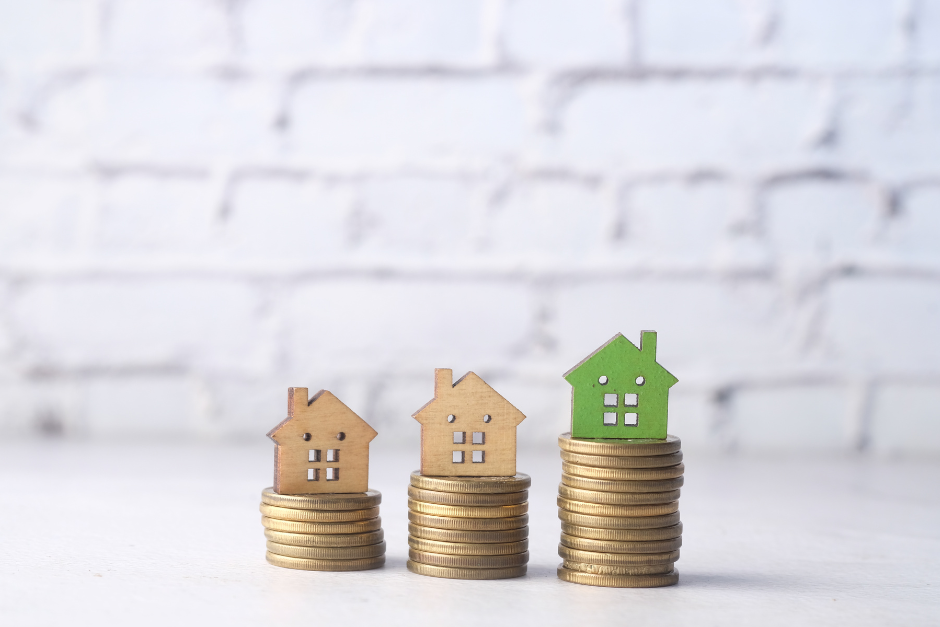
Eliminated Utility Bills: Once your renewable energy systems are operational, your monthly electricity bills can drop to zero or even become negative if you generate excess power.
Property Value Increases: Studies show that homes with solar installations sell for 3-4% more than comparable properties. Zero-emission homes often command even higher premiums due to their comprehensive sustainable features.
Tax Incentives: Federal tax credits currently cover 30% of solar installation costs (ending at the end of 2025). Michigan also offers additional rebates and incentives for energy-efficient home improvements.
Long-term Savings: While upfront costs are higher, zero-emission homes typically pay for themselves within 7-12 years through energy savings. After that payback period, homeowners enjoy decades of virtually free electricity.
Health and Comfort Benefits
Zero-emission homes often feature superior indoor air quality due to advanced ventilation systems and reduced reliance on fossil fuel heating. These homes maintain more consistent temperatures year-round, eliminating hot and cold spots common in traditional construction.
The high-performance insulation and windows that make zero emissions possible also provide excellent sound dampening, creating quieter indoor environments. Many homeowners report better sleep quality and overall comfort in their zero-emission homes.
Smart Home Integration: Most zero-emission homes include smart systems that optimize energy use, adjust lighting and temperature automatically, and provide real-time feedback on energy consumption patterns.
Potential Drawbacks and Challenges
Upfront Costs
The biggest barrier to zero-emission home ownership is the initial investment. These homes typically cost 10-20% more than conventional construction due to:
- High-performance windows and insulation
- Solar panel systems or other renewable energy equipment
- Advanced HVAC systems
- Smart home technology integration
- Specialized construction techniques
For retrofits, homeowners might spend $30,000-$70,000 to achieve zero emissions status, depending on the home’s current condition and chosen technologies.
Weather and Location Dependencies
Ann Arbor’s climate presents some challenges for zero-emission homes. Winter months provide less solar generation, requiring either battery storage systems or grid connectivity to maintain a consistent power supply.
Snow coverage can temporarily reduce solar panel efficiency, though modern panels are designed to shed snow effectively. Homeowners need to factor in seasonal energy production variations when planning their systems.
Maintenance and Technology Considerations
System Complexity: Zero-emission homes incorporate multiple advanced systems that require specialized knowledge for maintenance and repairs. Not all local contractors have experience with geothermal systems, advanced battery storage, or smart home integration.
Technology Evolution: Rapid advances in renewable energy technology can make some systems obsolete within 10-15 years. While solar panels typically last 25+ years, other components may need earlier replacement or upgrades.
Battery Storage Costs: To achieve true energy independence, many zero-emission homes require battery storage systems that add $15,000-$25,000 to project costs and need replacement every 8-12 years.
Financing Challenges
Traditional mortgage lenders are still adapting to zero-emission homes. Some may not fully account for energy savings when calculating debt-to-income ratios, potentially affecting loan approval. However, specialized green mortgage programs are becoming more available.
Making the Decision: Is a Zero-Emission Home Right for You?
These types of homes work best for homeowners who:
- Plan to stay in their home for at least 7-10 years to realize financial benefits
- Value environmental sustainability and want to reduce their carbon footprint
- Have sufficient roof space or property for renewable energy systems
- Can handle the upfront investment or qualify for green financing options
These homes may not be ideal if you frequently relocate, have significant shading on your property, or prefer minimal technology integration in your living space.
The Future of Zero Emissions Living in Ann Arbor
Ann Arbor’s commitment to carbon neutrality by 2030 is driving increased adoption of zero-emission homes. The city offers streamlined permitting processes for renewable energy installations and continues expanding incentive programs for sustainable construction.
Local utility companies are also adapting, with improved net metering programs that fairly compensate homeowners for excess renewable energy production. These policy changes make zero-emission homes increasingly attractive investments.
As construction costs decrease and technology improves, these homes are becoming accessible to a broader range of Ann Arbor residents. Early adopters are paving the way for a more sustainable housing market that benefits both individual homeowners and the community as a whole.
Zero-emission homes represent more than just a housing trend; they’re a practical step toward a sustainable future. While the upfront investment requires careful consideration, the long-term benefits of reduced environmental impact, eliminated energy bills, and improved comfort make these homes an increasingly compelling choice for environmentally conscious Ann Arbor residents.
Interested in learning more or ready to take the next step toward owning a zero-emission home?
Contact The Bouma Group, Realtors today at 734-761-3060 or info@bouma.com. We’re here to help guide you through your options and answer any questions you may have!
Read more about Eco-Friendly homes here.